February 7, 2026
Daily Current Affairs for UPSC : 7 Feb 2026/What is Cyberchondria?
Why in News ? the terms was recently in news .
What is Cyberchondria?
Cyberchondria is a clinical phenomenon where an individual’s anxiety regarding their health is worsened by excessive or repeated online searches for medical information. Unlike traditional hypochondria, it is specifically driven by the algorithm-led nature of the internet.
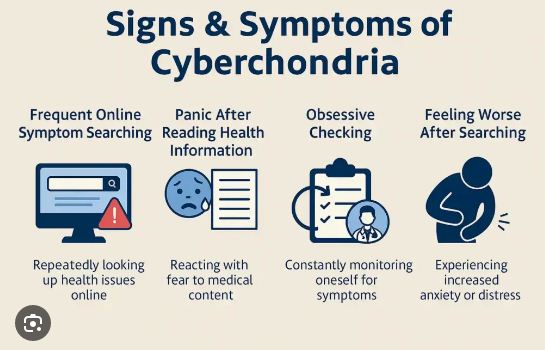
The Mechanics: How it Works?
- The Escalation Trap: A user searches for a minor symptom (e.g., a headache). Search engines and AI tools, optimized for “engagement” or “worst-case accuracy,” often rank rare but serious conditions (e.g., brain tumor) higher, leading the user to believe they are seriously ill.
- Algorithmic Bias: Modern AI-powered health tools may lack the “clinical nuance” of a doctor, failing to distinguish between common symptoms and life-threatening emergencies.
- Echo Chambers: Social media algorithms suggest “patient support groups” or health forums based on search history, further validating the user’s fears.
Impacts on Vulnerable Groups (Adolescents):
The recent feature in The Hindu highlights that adolescents are at the highest risk due to:
- Digital Fantasies: The tendency to trust AI/Digital avatars more than traditional practitioners.
- Brain Plasticity: Teenagers are more prone to “health-related obsessive-compulsive behaviors” triggered by digital triggers.
- Social Isolation: Cyberchondria leads to a “feedback loop” where the youth withdraw from physical activities, further deteriorating mental well-being.
Societal and Healthcare Challenges :
- Doctor-Patient Conflict: Increased “Self-Diagnosis” leads to mistrust in doctors, as patients arrive at clinics with pre-conceived (and often incorrect) AI-generated reports.
- Burden on Healthcare: Unnecessary diagnostic tests requested by “anxious searchers” drain public and private medical resources.
- Digital Divide: While urban users suffer from “information overload,” rural users may lack access to even basic digital literacy to verify these AI claims.
Mitigating Strategies:
- Digital Hygiene: Encouraging users to stick to verified government portals (like MoHFW or WHO) rather than open-ended AI chatbots.
- The “Human-in-the-Loop” Approach: AI health tools must have a mandatory disclaimer and a direct “Tele-consultation” link to a real doctor to break the anxiety cycle.
Media Literacy: Integrating “Digital Health Literacy” into the school curriculum to teach students how to interpret medical data online

October 17, 2025
October 16, 2025
October 6, 2025
September 24, 2025

